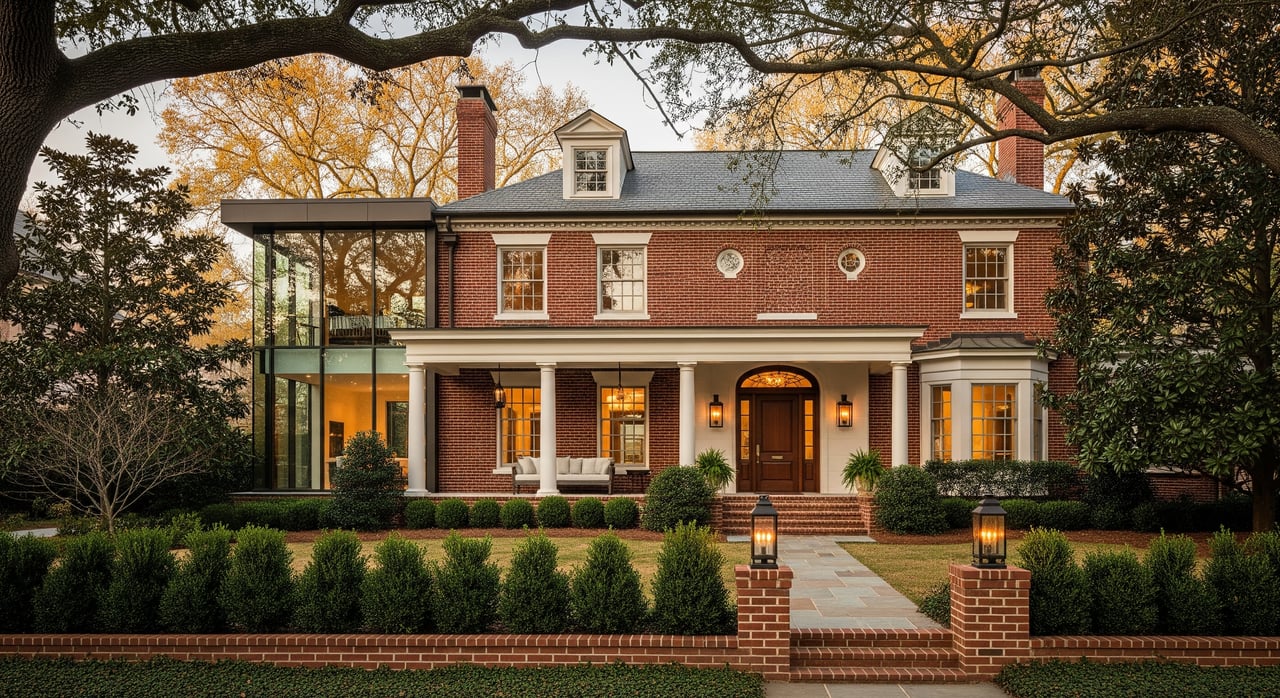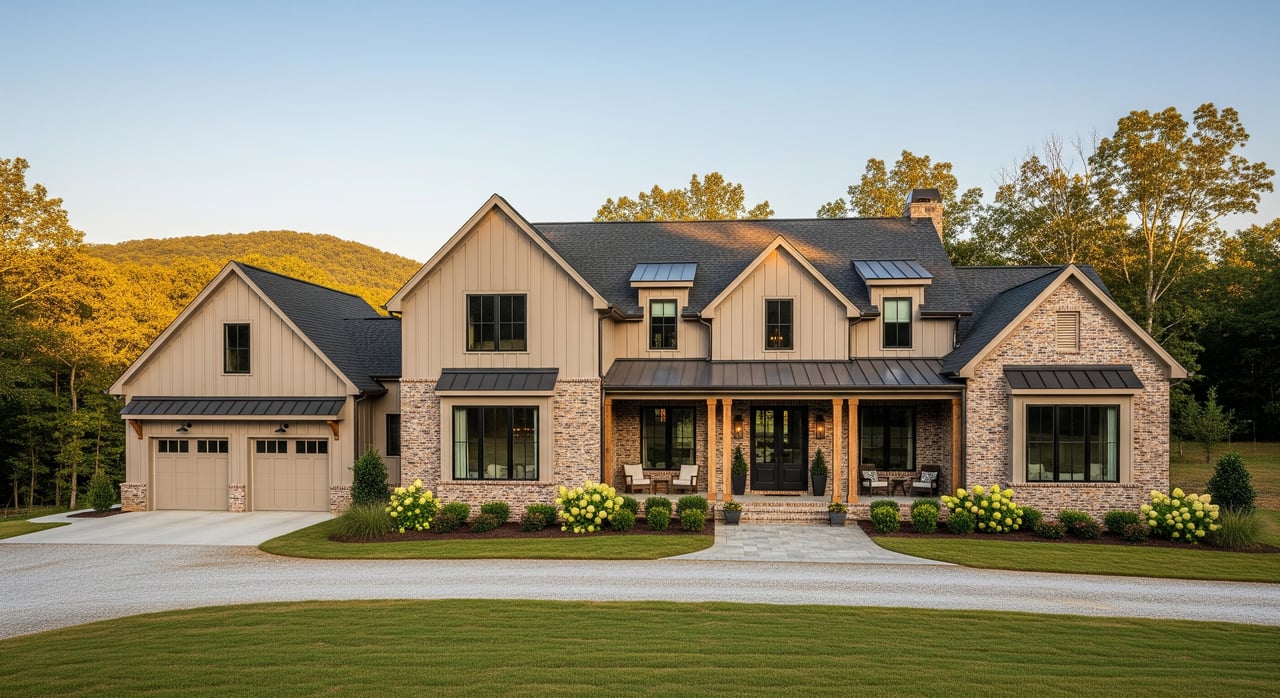
Thinking about a brand-new home in Mebane? With its location along I‑40/I‑85 between the Research Triangle and the Triad, this small city has become a go-to spot for buyers who want modern design, easier commutes, and a fresh start. You may be weighing price, timing, inspections, and how new construction actually works here. In this guide, you will learn the local process, timelines, costs, protections, and practical steps to make a confident move. Let’s dive in.
Why Mebane new construction stands out
Mebane sits between major job centers, which makes it attractive to commuters and employers. Recent growth has brought more subdivisions and a wider range of new-home options. You will find both move-in-ready spec homes and build-to-order lots with different floor plans.
New homes often carry a price premium over resales because of current building codes, energy efficiency, warranties, and the ability to personalize finishes. That premium varies with market conditions and interest rates. Builders can be national, regional, or local, and product types range from traditional single-family neighborhoods to select active-adult and infill options.
If you are comparing options, focus on total value. Ask for what is included at the base price, the cost of upgrades, and how the home’s energy features and warranty offset ongoing expenses.
How the new-build process works in Mebane
Typical timeline
- Spec homes are often ready in about 1 to 3 months, depending on stage of completion.
- Ground-up builds typically take about 6 to 12 months. Timing can change with permitting, lot preparation, weather, supply chain, and builder backlog.
Key steps from lot to closing
- Lot selection and model choice
- Contract with the builder and deposit or earnest money
- Design selections and upgrade meetings
- Permitting and construction phases: foundation, framing, rough-ins, insulation and drywall, finishes
- Municipal inspections and certificate of occupancy
- Final walkthrough, closing, and move-in
Most closings occur after the certificate of occupancy is issued. If a builder requests closing before all items are complete, ask how punch-list work will be handled and whether any funds will be held in escrow.
Your representation and contracts
Builders use their own contracts and addenda, which can include terms about changes, completion dates, and dispute resolution. You should have your own buyer’s agent or a real estate attorney review the contract before you sign. The builder’s sales team represents the builder, not you.
What new construction really costs
Price components to plan for
- Base price of the home
- Lot premium, if applicable
- Structural and design upgrades
- Utility connection fees for water and sewer
- Possible impact fees and stormwater-related fees
- HOA setup or initiation fees and ongoing dues
These items add up. Ask for a written allowance or features list that shows what is included versus what triggers a change order.
Financing options that fit the build
- Spec homes: typically use standard mortgages such as conventional, FHA, or VA.
- Ground-up builds: options include construction-to-permanent loans or two-stage loans that convert to a mortgage at completion.
Confirm the lender’s draw schedule, appraisal process, and when you can lock your final rate. Appraisals on new builds rely on comparable sales for newly built homes and can vary by stage of completion and available comps.
Incentives and negotiations
Builders may offer closing-cost help, rate buy-downs, or upgrade credits. Make sure every incentive is written into the contract. Compare any in-house lender offer with independent quotes so you understand your total cost and interest rate.
Inspections, warranties, and protection
Inspections you still need
Municipal inspections check for code compliance, but they do not replace a buyer’s independent inspection. Consider these checkpoints:
- Pre-drywall inspection to catch framing and rough-in issues
- Final inspection before closing
- One-year inspection timed near the end of your workmanship warranty period
Warranties to expect
Many builders follow an industry-standard structure. You may see a 1-year workmanship warranty, 2-year systems coverage for electrical, plumbing, and HVAC, and a 10-year structural warranty. Ask if the warranty is backed by a third-party provider and get all documents and claim procedures in writing.
Title, surveys, and easements
Request a current survey and title search. Confirm setback lines, drainage or stormwater easements, and any restrictions that affect where and how the home sits on the lot. Review community covenants and architectural guidelines early.
Environmental and site checks
- Floodplain: verify flood status for insurance and building elevation needs.
- Wastewater: confirm whether the home connects to municipal sewer or uses a septic system that requires a permit and soil test.
- Erosion and stormwater: for large developments, confirm that erosion control and site stabilization are in place per state requirements.
- Energy and code: ask for details on insulation values, HVAC ratings, and appliance efficiency. Builders can often provide an energy package summary or a HERS index if available.
Local services and logistics
Permits and inspections
In the Mebane area, City of Mebane Planning and Inspections and Alamance County Inspections oversee permitting and code inspections. Your builder usually manages permits, but you should receive the certificate of occupancy and relevant inspection reports before closing.
Utilities and connections
Electric service in much of the region is commonly provided by a major utility provider, and natural gas service is typically available through a central North Carolina distributor. Within city limits, the City of Mebane manages water and sewer. In outlying areas, service may be through county utilities or private systems. Confirm who handles trash and recycling for your subdivision and what connection or tap fees apply.
HOAs and covenants
Many new neighborhoods have homeowners’ associations. Review covenants, conditions, and restrictions for rules on landscaping, exterior changes, parking, short-term and long-term rental policies, and how dues can increase over time.
Schools and assignments
Mebane addresses are primarily served by the Alamance-Burlington School System. Some parcels that extend into Orange County may be assigned to other districts. School zones and assignment policies can change, so verify current information directly with the district before you buy.
Transportation and future projects
Proximity to I‑40/I‑85 is a key draw, along with access to employers across the Triangle and Triad. Ask about planned road improvements, future commercial development, and any infrastructure projects that could affect traffic patterns and long-term value.
Buyer checklist for Mebane new builds
Pre-contract
- Check the builder’s track record and recent local projects.
- Request a features list and written allowance schedule for included finishes.
- Verify lot-specific items such as floodplain, easements, grading, and drainage.
At contract
- Define the target completion date and remedies if delays occur.
- List all included items and upgrades in writing, with pricing.
- Add financing and appraisal contingencies if appropriate, plus inspection rights.
Pre-closing
- Confirm utility hookups and who pays connection fees.
- Schedule a detailed walkthrough and create a punch list.
- Collect the certificate of occupancy, inspection reports, and all warranty documents.
Make a confident move in Mebane
New construction can be a smart path if you want modern features, efficient systems, and lower maintenance from day one. The key is to budget for all line items, choose the right financing, keep independent inspections, and document every detail from selections to warranties. With steady guidance and a clear plan, you can enjoy the benefits of a brand-new home in a location that fits your life and commute.
If you would like a calm, step-by-step approach to your Mebane new build, reach out to schedule a friendly consult with Rhonda Szostak. Together, you can map the right lot, plan, and timeline for your goals.
FAQs
How long does a new build in Mebane take?
- Spec homes often close in 1 to 3 months, while ground-up builds usually take about 6 to 12 months depending on permitting, weather, supply chain, and builder workload.
Can I negotiate with a Mebane builder?
- Yes. You can often negotiate on upgrades, closing-cost help, or rate incentives. Get every concession in writing within the contract or an addendum.
Do I need my own agent for new construction?
- Yes, it is recommended. The builder’s sales team represents the builder. Your own agent or attorney protects your interests on terms, timelines, and inspections.
What inspections should I order for a brand-new home?
- Hire independent inspectors for a pre-drywall review, a detailed final inspection before closing, and a one-year checkup within the workmanship warranty window.
How do builder warranties work on new homes?
- Many builders provide a 1-year workmanship warranty, 2-year systems coverage, and a 10-year structural warranty. Confirm coverage, exclusions, and claims steps in writing.
What extra costs should I expect beyond the base price?
- Budget for lot premiums, structural and design upgrades, water and sewer connection fees, possible impact fees, HOA initiation and dues, and property tax adjustments at closing.