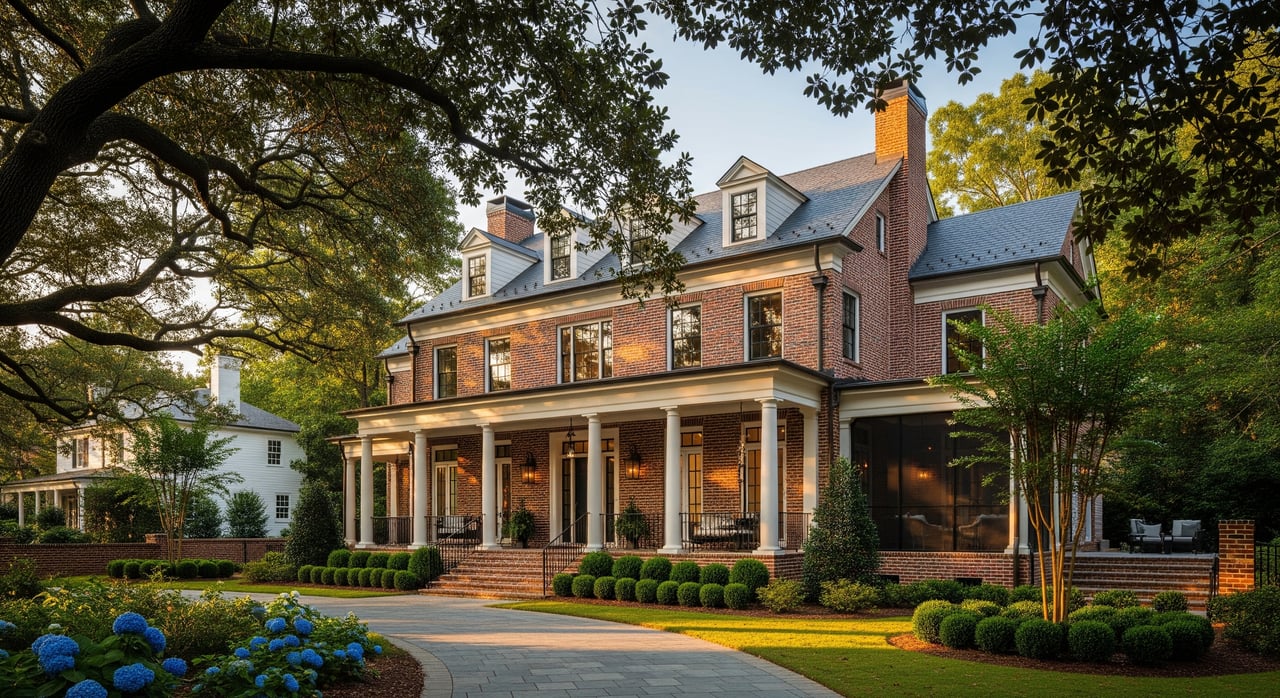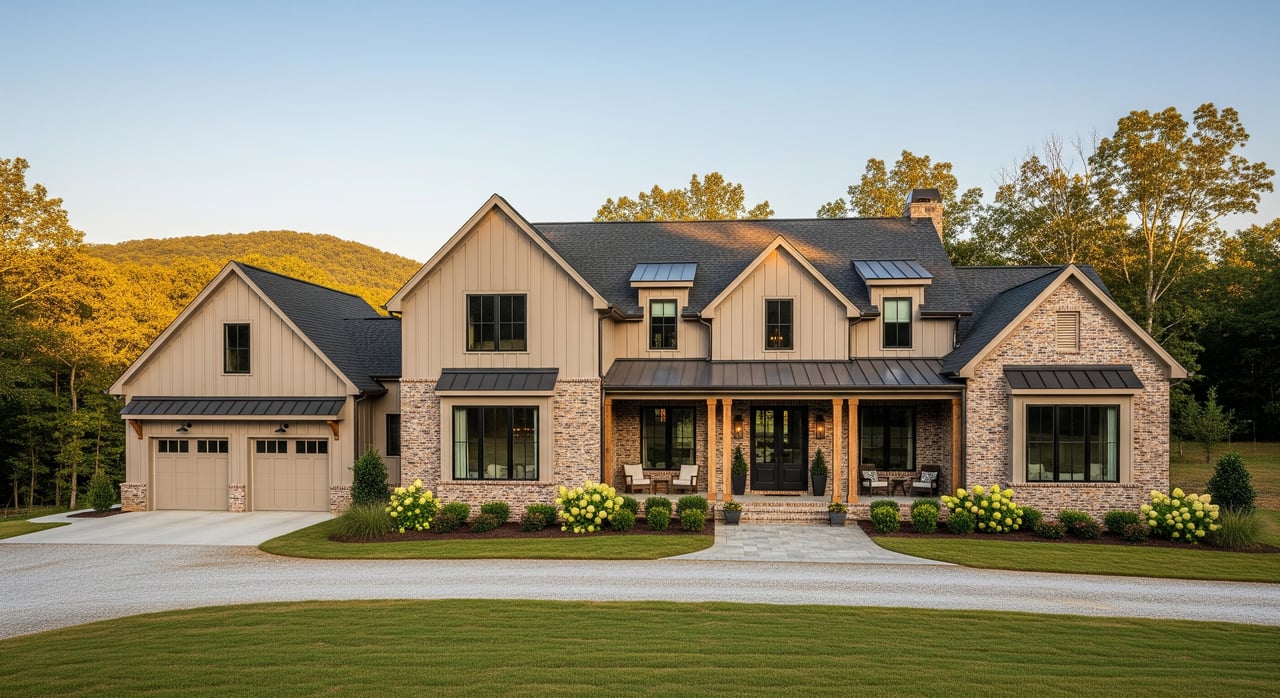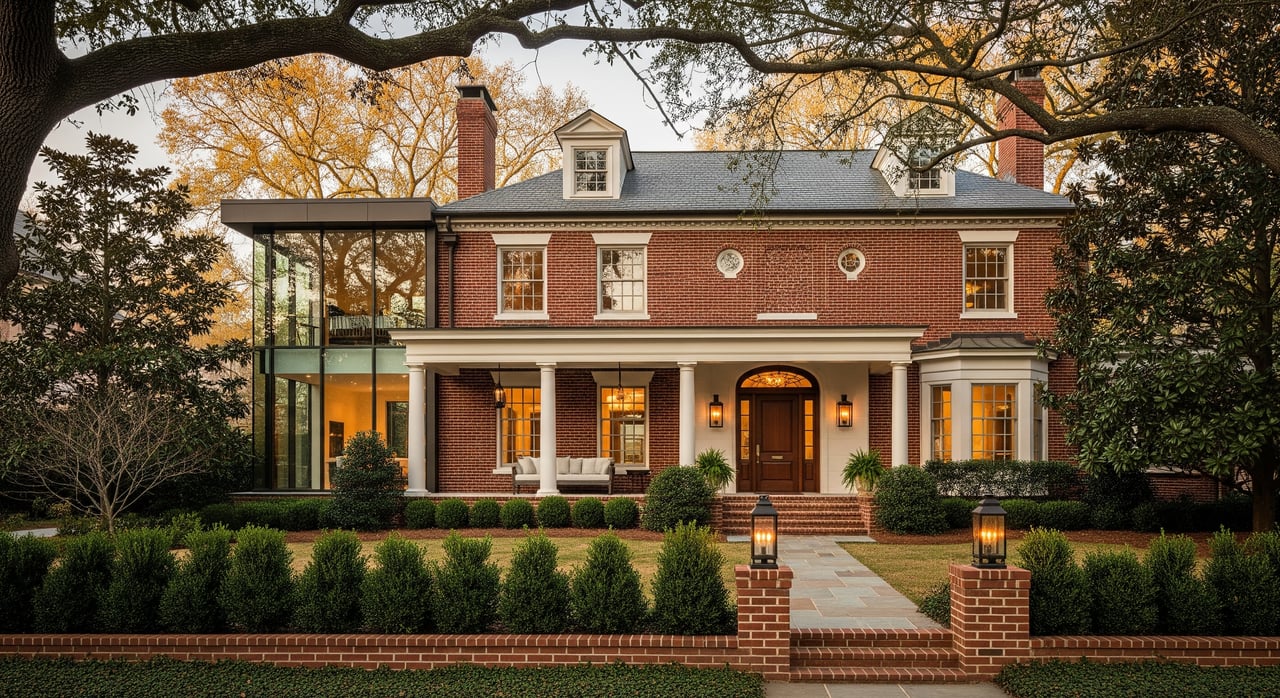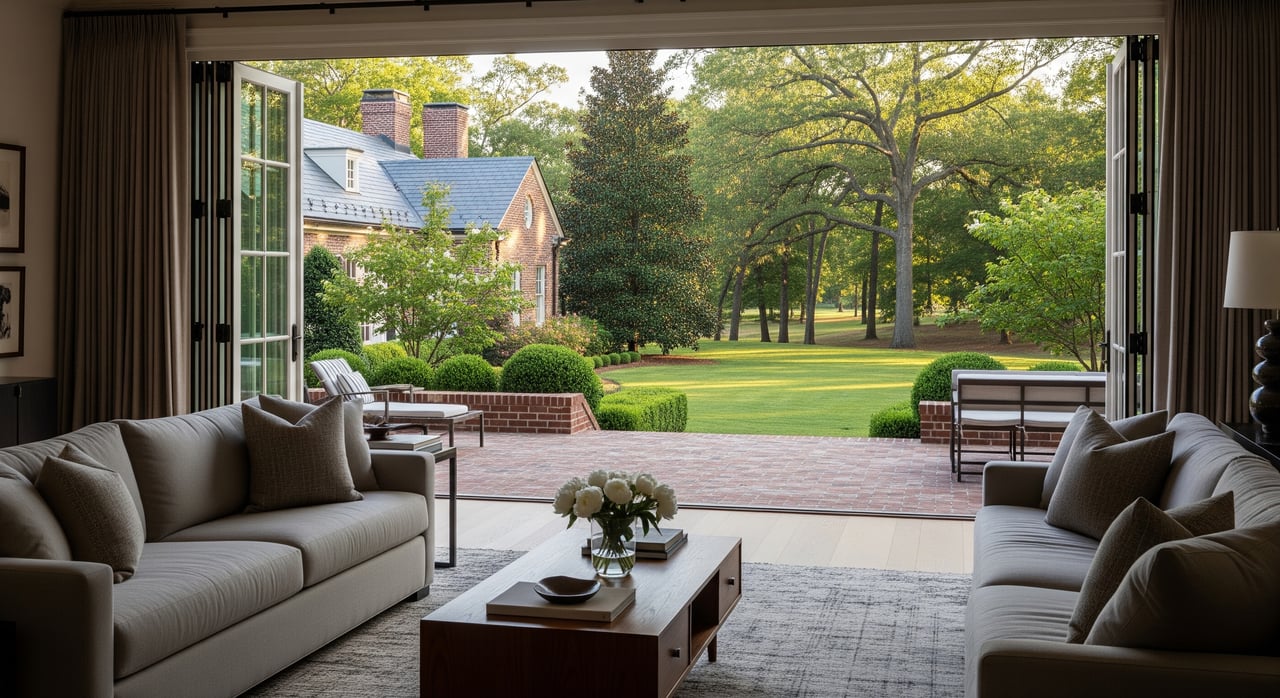
Are you aiming to list your Chapel Hill luxury home in the next two months? With the right plan, you can launch with confidence, attract qualified buyers, and protect your timeline. You want a smooth, concierge experience that highlights your home’s best features and reaches the right audience. This guide gives you a clear 60-day plan tailored to Chapel Hill, from pricing and prep to media and marketing. Let’s dive in.
Chapel Hill luxury buyer profile
Chapel Hill draws highly educated, high-income buyers, including UNC faculty and administrators, medical professionals, Research Triangle Park executives, entrepreneurs, and relocating families. Many luxury buyers value privacy, mature trees, and indoor-outdoor living with decks, porches, and landscaped yards. Neighborhoods like Meadowmont, Governors Club, and Southern Village illustrate the mix of walkability, amenities, and scale that stand out. Spring and early summer often bring more buyer traffic, while fall can also see strong activity for executive relocations and academic timing.
60-day launch plan
Below is a step-by-step roadmap you can follow to get market-ready, maintain momentum, and set yourself up to negotiate from a position of strength.
Phase 1 - Days 60-46: Assessment and planning
- Align on goals, timing, and your target buyer profile. Decide on your preferred close window and any leaseback needs.
- Order a comparative market analysis that pulls recent sales and active luxury listings in your micro-market. Start three pricing scenarios: aggressive, market, and conservative.
- Line up your core vendors: pre-list inspector, general contractor, stager, landscaper, photographer, videographer, 3D tour provider, and cleaning crew.
- Gather documents: permits, warranties, surveys, HOA covenants and minutes, utility averages, and recent tax statements.
- Schedule inspections and contractor walk-throughs to prioritize work and estimate costs.
- Build a working budget and timeline that sequences repairs, staging, and media production.
Phase 2 - Days 45-31: Repairs, deep clean, staging prep
- Complete high-priority fixes from inspections. Address safety, roof, HVAC, septic or well, pool systems, and structural items first.
- Handle light cosmetic updates with strong ROI: paint touch-ups, updated cabinet pulls, modernized lighting, and fresh switch plates.
- Refresh landscaping. Edge and mulch beds, trim trees and shrubs, seed or patch lawn areas, and power wash walkways, siding, and hardscape.
- Declutter and depersonalize. Store extra furniture, family photos, and items that limit a buyer’s imagination.
- Finalize a staging plan for the kitchen, great room, primary suite, outdoor living areas, and any spaces that highlight views or unique features.
- Start drafting listing copy and a marketing outline so your media team knows what to capture.
Phase 3 - Days 30-15: Finalize staging and media
- Install staging and polish the presentation with fresh linens, towels, art, and greenery. Make sure lighting is consistent and warm.
- Book professional photography once staging is complete. Capture interior and exterior images, twilight photos, drone aerials where permitted, and detailed shots of luxury finishes.
- Produce floor plans and a 3D tour to help out-of-area buyers explore layout and scale.
- Gather neighborhood and amenity images that show proximity to village centers, trails, and local retail.
- Create a dedicated property website, a luxury brochure, and short social videos for teaser campaigns.
- Revisit pricing with fresh comps and recent feedback from contractors and your advisor.
- Set your broker’s open date and begin targeted outreach to trusted agents who work with university, medical, and RTP relocations.
Phase 4 - Days 14-0: Launch and momentum
- Go live in the MLS with full media, floor plans, and a polished description. Syndicate to luxury channels aligned with your brokerage.
- Launch targeted digital campaigns that reach high-income buyers across the Triangle and regional relocation hubs. Use email, social, and display with consistent creative.
- Host a curated broker’s open early to encourage agent previews and build buzz. Offer private, appointment-only showings to qualified buyers.
- Collect showing feedback daily. Be prepared to adjust price or messaging after 10 to 14 days if traffic or interest is below expectations.
- Keep your home in show-ready condition. Plan quick turnovers with your cleaning team between busy showing windows.
- Prepare your negotiation pack: completed disclosures, preferred closing timeline, and repair receipts to streamline buyer due diligence.
Pricing strategy that fits Chapel Hill
Pricing sets your trajectory from day one. For luxury homes, comps should come from the same neighborhood or nearby micro-markets with similar lot size, finishes, and amenities. Adjust for acreage, views, guest houses, pools, recent renovations, and privacy. Look at closed sales plus current competition and days on market for a realistic picture.
Create three pricing paths so you can pivot quickly:
- Aggressive pricing: Attracts more traffic and can spark early offers.
- Market pricing: Aligns with expected sale price based on the most relevant comps.
- Conservative pricing: Allows more time to find a specific buyer and may fit unique properties.
Your goal is to set a price that supports momentum while protecting your bottom line.
Pre-list inspections and permits
A pre-list inspection helps surface issues early so you can fix or disclose them up front. For luxury properties, add targeted checks such as roof, HVAC, septic or well, pool, and structural if the home is older. Gather service records and warranties to show consistent maintenance.
Verify permitting for major projects like additions, kitchen overhauls, pools, or accessory dwellings. Confirm permit history with the Town of Chapel Hill or Orange County and keep documentation handy for buyer due diligence.
Staging for high-end appeal
Aim to showcase scale, flow, and finishes while leaving room for buyers to imagine their lives. Focus on the spaces that sell a luxury home:
- Kitchen: Clear counters, update hardware if needed, and style with simple, high-quality accents.
- Great room: Arrange seating to highlight views, fireplaces, or custom millwork.
- Primary suite: Create a calm, hotel-like retreat with fresh white linens and soft lighting.
- Outdoor living: Stage porches, patios, and decks to emphasize indoor-outdoor flow.
Keep color palettes neutral, remove personal photos, and use layered lighting. Consider professional art or accessory rentals to elevate photography without overpowering the space.
Curb appeal and grounds
First impressions happen on the curb and in your photos. Tidy landscaping and clean hardscape make a home feel well cared for. Add seasonal plantings for color, refresh mulch, and repair driveway cracks. Touch up exterior paint on trim and doors. Landscape lighting can add drama for twilight shoots and evening showings.
For larger properties, define outdoor “rooms” so buyers see how they will live outside. Stage seating near the pool, set a dining area by the grill, and highlight any fire pits or gardens.
Photos, video, and tech assets
High-quality media is essential in the luxury segment. Plan for a full suite of assets that tell a clear story and give out-of-area buyers confidence:
- Professional photography with interior, exterior, and twilight sets
- Drone imagery where allowed by FAA rules and neighborhood or HOA guidelines
- Video walkthrough or a narrated property film
- Measured floor plans and a 3D tour for layout clarity
- A dedicated property website and a print-ready luxury brochure
Book top photographers and stagers 2 to 4 weeks in advance. Schedule a deep clean right before photography, and keep a checklist for quick touch-ups before each showing.
Marketing that reaches the right buyers
Luxury buyers in Chapel Hill discover homes through a mix of trusted channels. Use a layered approach that meets them where they are:
- MLS exposure plus your brokerage’s luxury distribution for national reach
- Broker-to-broker networking with agents who serve university executives, medical professionals, and RTP relocations
- Targeted digital advertising across the Triangle and key regional hubs
- High-quality print pieces and direct mail to executive neighborhoods
- Inclusion in corporate and university relocation materials when applicable
- PR outreach for properties with notable design or history
Lean into Chapel Hill’s lifestyle advantages. Highlight proximity to UNC, village centers, trails, dining, and cultural venues. Keep your message consistent across all platforms.
Showings, privacy, and security
Balance access with discretion. Require appointments and prefer pre-qualified buyers when possible. Remove jewelry, collectibles, and sensitive documents before photography and showings. For high-profile sellers or during busy opens, consider security personnel and ensure the listing agent greets guests.
Ask for feedback after every showing. Use what you learn to refine pricing, staging, or marketing.
Disclosures, HOA, and taxes in NC
Complete the North Carolina Seller’s Property Disclosure and the lead-based paint disclosure if your home was built before 1978. If your property is in an HOA or a gated community, compile covenants, bylaws, recent meeting minutes, and financials. Pull your tax history and note any special assessments.
If you have complex ownership such as a trust or estate, connect with your closing attorney early so title work and required documents are organized before negotiations.
Vendor roster and what to request
- Photographer and videographer: Ask for luxury listing samples, twilight experience, drone capability, and licensing rights. Confirm turnaround times.
- 3D tour provider: Confirm floor plan exports and how the tour will embed on your property site.
- Stager: Review before-and-after photos for similar homes and confirm install and removal timing. Book 3 to 4 weeks ahead.
- Landscape contractor: Request seasonal suggestions and a maintenance plan for the showing period.
- General contractor: Get written estimates and timelines. Verify who handles permits.
- Home inspector: Schedule 3 to 4 weeks before photography so repairs are completed in time.
- Closing attorney: Confirm required documents and any special steps for trusts or estates.
- Cleaning and concierge services: Plan a deep clean pre-photos and light refreshes throughout showings.
Keep a shared folder with receipts, warranties, media files, floor plans, and brochures so your team can respond quickly to buyer questions.
What success looks like by Day 0
Your listing goes live with polished media, a dedicated website, and a clear pricing strategy. You have a calendar of broker and buyer showings, and feedback flowing in from day one. Your documentation is organized, and your team is ready to negotiate quickly with qualified buyers.
If you want a steady hand to run this plan, pair local market knowledge with premium presentation and a calm, concierge process. Connect with Rhonda Szostak to review your timeline and next steps.
FAQs
Do luxury sellers in Chapel Hill need a pre-list inspection?
- Yes, a pre-list inspection is recommended to uncover issues early, reduce buyer contingencies, and support a smoother closing.
How much staging should I plan for a high-end home?
- Prioritize the kitchen, great room, primary suite, and main outdoor spaces, adding full or partial staging based on whether the home is vacant or occupied.
Should I attend showings or photo day for my Chapel Hill listing?
- No, let your listing team coordinate; remove valuables and personal items so buyers can focus on the home without distractions.
When should we go live after photography for a luxury listing?
- Aim to list within 48 to 72 hours so the images match the current, polished state of the property.
What marketing channels work best for Chapel Hill luxury buyers?
- MLS exposure, broker networking, luxury distribution through your brokerage, targeted digital ads, print pieces, and curated broker opens are most effective.
What disclosures do North Carolina home sellers need to provide?
- Complete the NC Seller’s Property Disclosure, add a lead-based paint disclosure for homes built before 1978, and share HOA documents when applicable.